Most roofs last 20–30 years. The exact number depends on your roofing material, your climate, and how well the roof has been maintained. Asphalt shingles last the shortest amount of time, while metal, tile, and slate can last 50 years or more.
Here’s everything you need to know to figure out where your roof stands — and what to do about it.
| Essentials Home Solutions has replaced and repaired thousands of roofs across Arlington, TX and the Dallas-Fort Worth Metroplex. The lifespans in this guide reflect what we actually see on real roofs in this region not national averages that undercount the effect of Texas heat and hailstorms. |
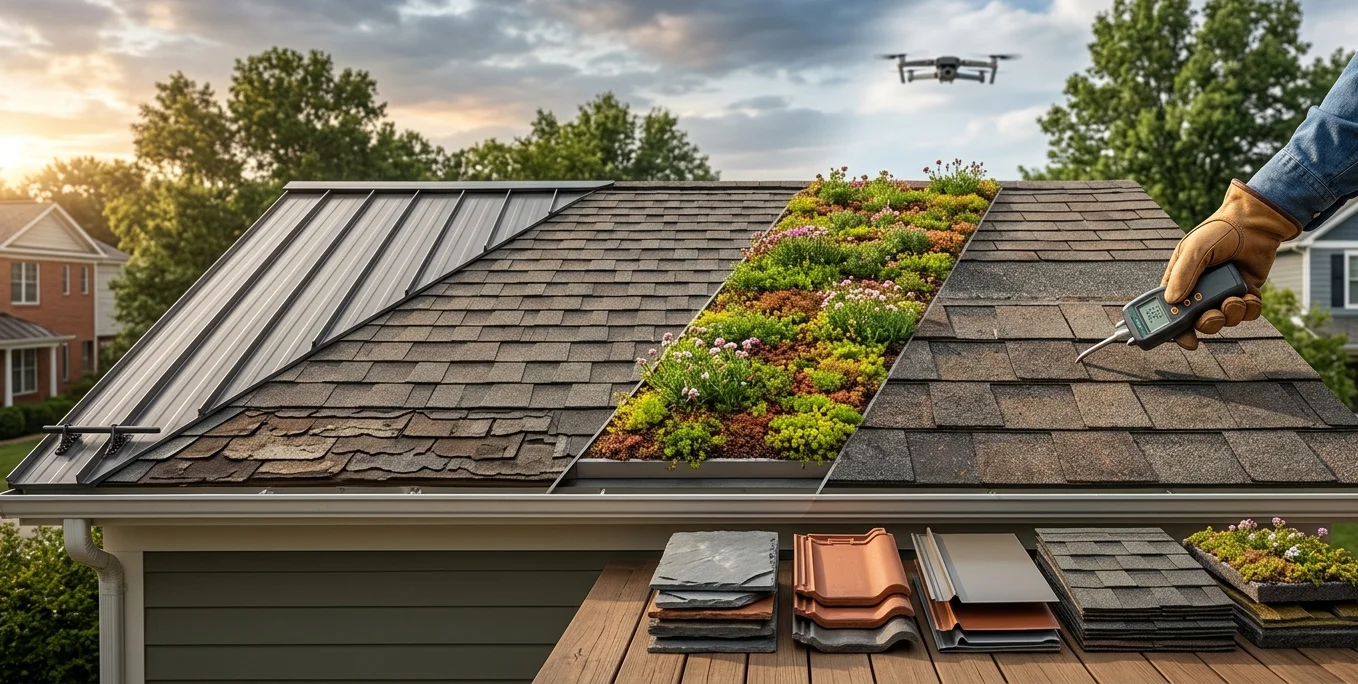
Average Roof Lifespan by Different Roofing Materials
Material choice affects lifespan significantly. Here’s a quick breakdown:
|
Roofing Material |
Average Lifespan |
|
Asphalt shingles |
15–30 years |
|
Metal roofing |
40–70 years |
|
Tile roofing |
50–100 years |
|
Slate roofing |
75–150 years |
|
Wood shingles/shakes |
20–40 years |
|
Flat/membrane roofing |
10–20 years |
How Long Does a Shingle Roof Last?
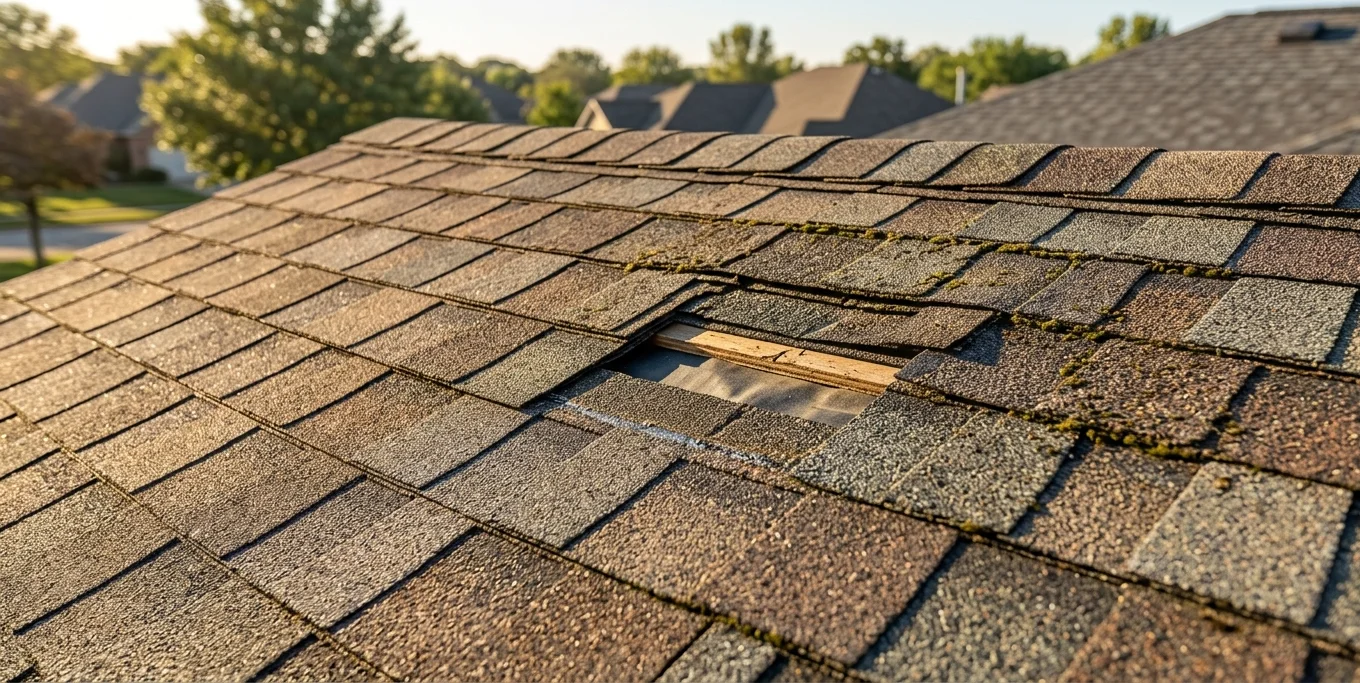
This is the most-searched version of this question and for good reason. Asphalt shingles cover more than 80% of American homes, including the majority of residential properties across Arlington and the DFW suburbs. But “shingle roof” actually covers three distinct product tiers with very different performance profiles:
Asphalt Shingles Lifespan
Asphalt shingles are the most common roofing material in the U.S., and for good reason — they’re affordable and easy to install. But they’re also the least durable option. Standard 3-tab shingles last 15–20 years, while architectural (dimensional) shingles can last 25–30 years with proper care.
How Long Does a Metal Roof Last?
Metal roofing is where the lifespan conversation changes fundamentally. We’re not talking about an incremental improvement over shingles we’re talking about a category that doubles or triples the service life of asphalt in most conditions, including Texas.
“Metal roof” actually covers several distinct products, and the lifespan differences between them are significant:
Metal Roof Lifespan
Metal roofs are a long-term investment. Depending on the type (steel, aluminum, or copper), they typically last 40–70 years. They hold up well against wind, fire, and snow, which is why many homeowners switch to metal after replacing a second or third asphalt roof.
Read: Asphalt vs. Metal Roofing: Which Is Best for Texas Homes?
Wood Shake and Wood Shingles
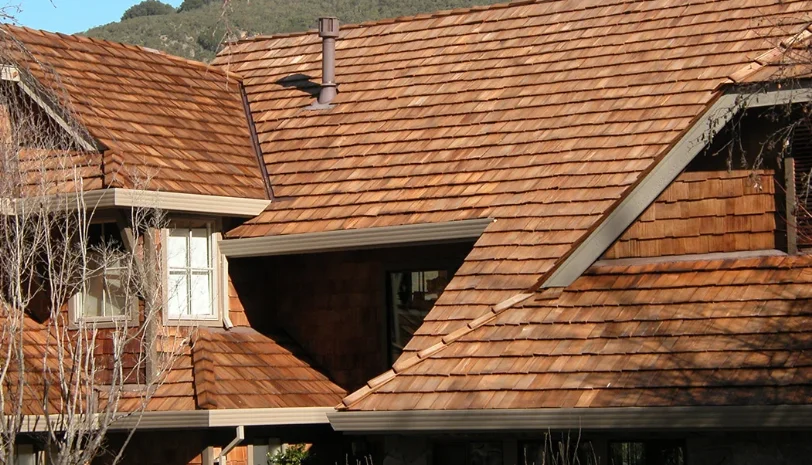
Lifespan: 20–30 years
Wood roofing has a natural, textured look that works beautifully on craftsman and cottage-style homes. Cedar is the most common species used in the U.S. because of its natural resistance to moisture and insects.
Some areas also restrict or prohibit wood roofing due to fire risk. Always check local codes before going this route.
Slate Roof Lifespan
Slate is the longest-lasting common roofing material, often lasting 75–150 years. It’s also the most expensive upfront. If you own a home with an original slate roof, it may still have decades of life left — but it requires a specialist for repairs.
What Affects How Long a Roof Lasts
A roof’s lifespan isn’t just about the material. These factors matter too:
- Climate — Extreme heat, heavy snow, high winds, and coastal salt air all speed up wear.
- Installation quality — A poorly installed roof can fail years early, regardless of material.
- Ventilation and insulation — Poor attic airflow traps heat and moisture, aging shingles faster from underneath.
- Roof slope — Steeper roofs shed water and debris better, reducing wear.
- Sun exposure — South-facing slopes typically wear out faster than shaded areas.
Pro Tip: Before purchasing a home, always ask for the roof’s age and installation records. A home inspector can estimate remaining lifespan, but a licensed roofer’s assessment is more reliable for older roofs.
How Roof Maintenance Extends Lifespan
Regular roof maintenance can add 5–10 years to your roof’s life — sometimes more. Small, consistent upkeep prevents the kind of damage that leads to early replacement.
Simple maintenance steps that make a real difference:
- Inspect twice a year (spring and fall) and after major storms.
- Clean gutters so water doesn’t back up under shingles.
- Remove debris like leaves and branches before they trap moisture.
- Trim overhanging trees to reduce debris and rubbing damage.
- Fix small leaks immediately before they spread to decking or insulation.
- Check flashing around chimneys, vents, and skylights — this is where most leaks start.
- Look for moss and algae and treat it early; it holds moisture against the roof surface.
Replace Damaged or Missing Shingles Promptly
A single blown-off shingle leaves the underlying decking exposed to the elements. Even a day or two of rain on unprotected decking can cause damage that’s disproportionate to the cost of a simple shingle replacement. After any significant wind or hail event, do a visual inspection and call for repairs if you spot damage.
Even with good maintenance, every roof reaches its limit. Watch for:
- Shingles that are curling, cracking, or missing
- Granules collecting in gutters
- Daylight visible through the roof boards
- Sagging areas on the roofline
- Frequent leaks or water stains on ceilings
- A roof nearing or past its expected lifespan
Water stains on ceilings or walls: Interior staining is often the first visible sign of a roof problem inside the home. Multiple stains, or stains that persist or spread after repair attempts, typically indicate widespread roof failure.
Persistent leaks despite repairs: If you’ve had the same area repaired more than once and leaks return, the roof may be failing systemically rather than at isolated points.
Roof age near or beyond expected lifespan: If your asphalt roof is 25+ years old, or your metal roof is over 50, get a professional inspection even without visible symptoms. Many roofs fail suddenly after years of invisible deterioration.
Repair vs. Replace Rule of Thumb: If your roof is within 5 years of its expected end of life, and repair costs would exceed 30–40% of the replacement cost, replacing is almost always the better financial decision.
Repair vs. Replace: How to Decide
This is the question most homeowners struggle with. Here’s a practical framework:
Repair if: The damage is isolated (a section of blown-off shingles, one area of flashing failure), the roof is under 15 years old for asphalt or well within its lifespan for other materials, and a qualified roofer confirms the surrounding material is still in good shape.
Replace if: The roof is within 5 years of its expected end of life, damage is widespread rather than isolated, you’re spending on repairs repeatedly, or a roofer finds multiple layers of old shingles (most codes allow only two layers before a full tear-off is required).
As a Rough Rule: if roof repair costs exceed 30–40% of replacement cost on an aging roof, replacement usually pencils out better over the long run.
How to Make Your Roof Last Longer
Regardless of material, these habits extend roof life:
-
- Inspect twice a year — after the harshest summer heat and after winter. Look for missing, damaged, or displaced materials.
-
- Clean gutters regularly. Clogged gutters back up water onto the roof edge and can accelerate rot.
-
- Address moss and algae. In damp climates, biological growth is a real threat. Zinc strips along the ridge can help prevent it. Gentle cleaning with appropriate solutions removes existing growth.
-
- Ensure proper attic ventilation and insulation. This prevents ice dams in winter and heat buildup in summer.
-
- Fix small problems fast. A $200 flashing repair today might prevent a $2,000 water damage repair next year.
Frequently Asked Questions
How long does a roof last on average?
Most residential roofs last 20–30 years, depending on material and maintenance.
What roofing material lasts the longest?
Slate lasts the longest, often 75–150 years, followed by tile and metal.
Can maintenance really extend roof life?
Yes. Routine inspections and upkeep can add 5–10 years to your roof’s lifespan by catching small issues before they become major damage.
How do I know if I need a roof replacement or just a repair?
If damage is isolated (a few missing shingles, a small leak), repair is usually enough. If your roof is near the end of its expected lifespan or has widespread wear, replacement is the better long-term investment.
How much does a new roof cost?
For an average American home (1,700–2,100 sq ft), an asphalt shingle replacement typically runs $8,000 to $18,000. Metal roofing can run $15,000 to $40,000+. Slate and tile are higher still. Get at least three quotes and be wary of the lowest bid roofing quality varies enormously.
Last Words:
Your roof’s lifespan isn’t determined by one factor it’s the combination of what it’s made of, how well it was installed, your local climate, and how consistently it’s maintained.
If your roof is approaching its expected end of life, don’t wait for a leak to force the issue. A planned replacement on your timeline is almost always cheaper and less stressful than an emergency response.
Have questions about your specific roofing situation? A licensed roofing contractor in your area can assess your roof’s current condition and give you an honest timeline for replacement.
Not Sure How Much Life Your Roof Has Left?
The fastest way to answer that question is a free professional inspection from a team that’s seen thousands of DFW roofs and knows exactly what aging looks like at every stage. Professional roofing inspection cost in Arlington depends on vary factors. At Essentials Home Solutions, we provide written condition reports with photo documentation of everything we find and honest guidance on whether your roof needs attention now, can be maintained for a few more years, or is ready for replacement.
| Call or Text Anytime (817) 757-0022. | Essentials Home Solutions 3404 Timberwood Cir, Arlington, TX 76015 info@essentialshomesolutions.com BBB A+ Accredited · Yelp 5-Star Verified Arlington · Grand Prairie · Mansfield · Irving · Fort Worth · all DFW |